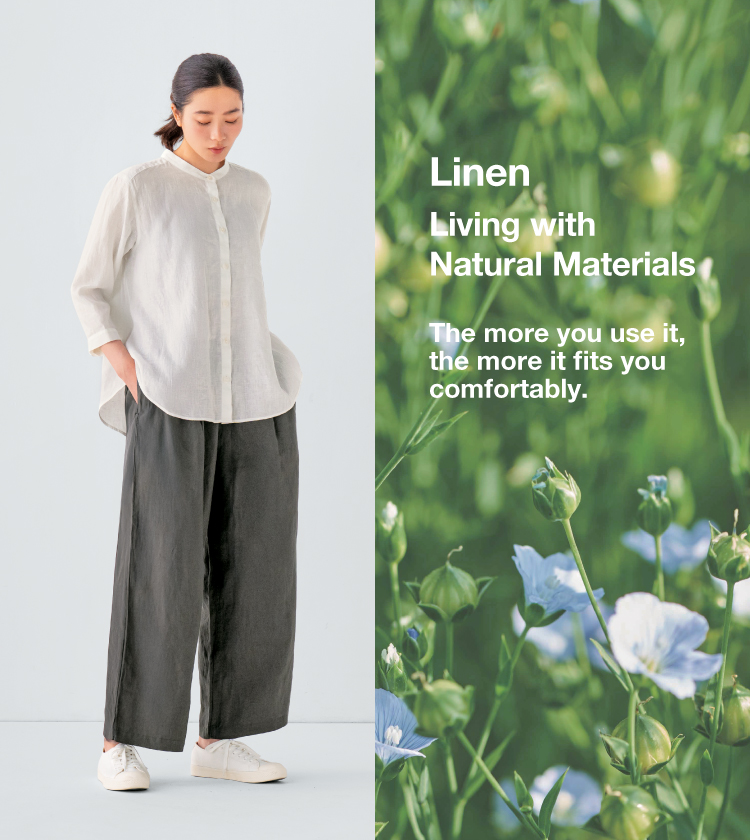
Made with the natural qualities of linen, MUJI clothing feels light and breathable against the skin.
Simple and comfortable, it fits naturally into everyday living.
At MUJI, manufacturing begins with the careful selection of materials.
Follow the stories shared by MUJI staff as they travel to different regions and encounter the origins of linen.
*Note: Not all MUJI linen garments are made from French linen.
Linen Rooted in the Land

A natural material grown in its place of origin
In many European towns during summer, it is common to see people comfortably wearing linen clothing that allows air to pass through easily and feels light against the skin. Linen is a natural material that has been used for generations across Europe and Central Asia.
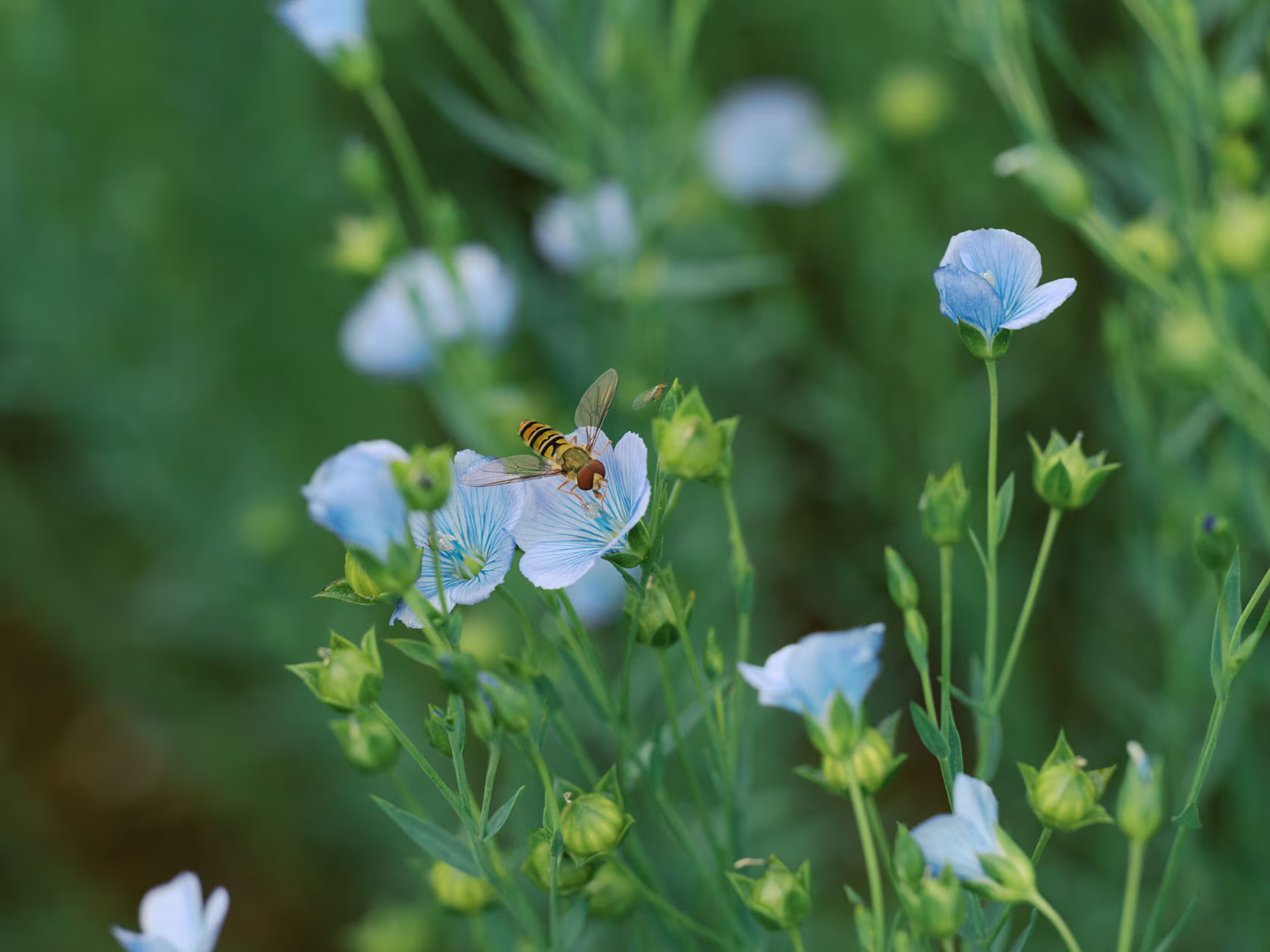
The fibre used to produce linen comes from flax. Compared with many other crops, flax generally requires less water and fewer pesticides to grow, which is one reason the material has attracted renewed attention today.
MUJI visited Normandy in northern France, one of the world’s major flax-growing regions. It is said that around sixty percent of the world’s flax is cultivated in France, and much of it comes from this region.
Local scutching companies work closely with farmers in the region, visiting fields regularly and sharing knowledge on cultivation methods to maintain the quality of the flax harvest.
Careful Quality Control

Preparing the soil over many years
Soil quality plays an important role in flax cultivation. Farmers rotate crops over many years to keep soil fertile.
Crops such as potatoes, corn, wheat and beetroot are rotated over six to seven years to maintain soil health before flax is planted again.
Seeds are typically sown between March and April.
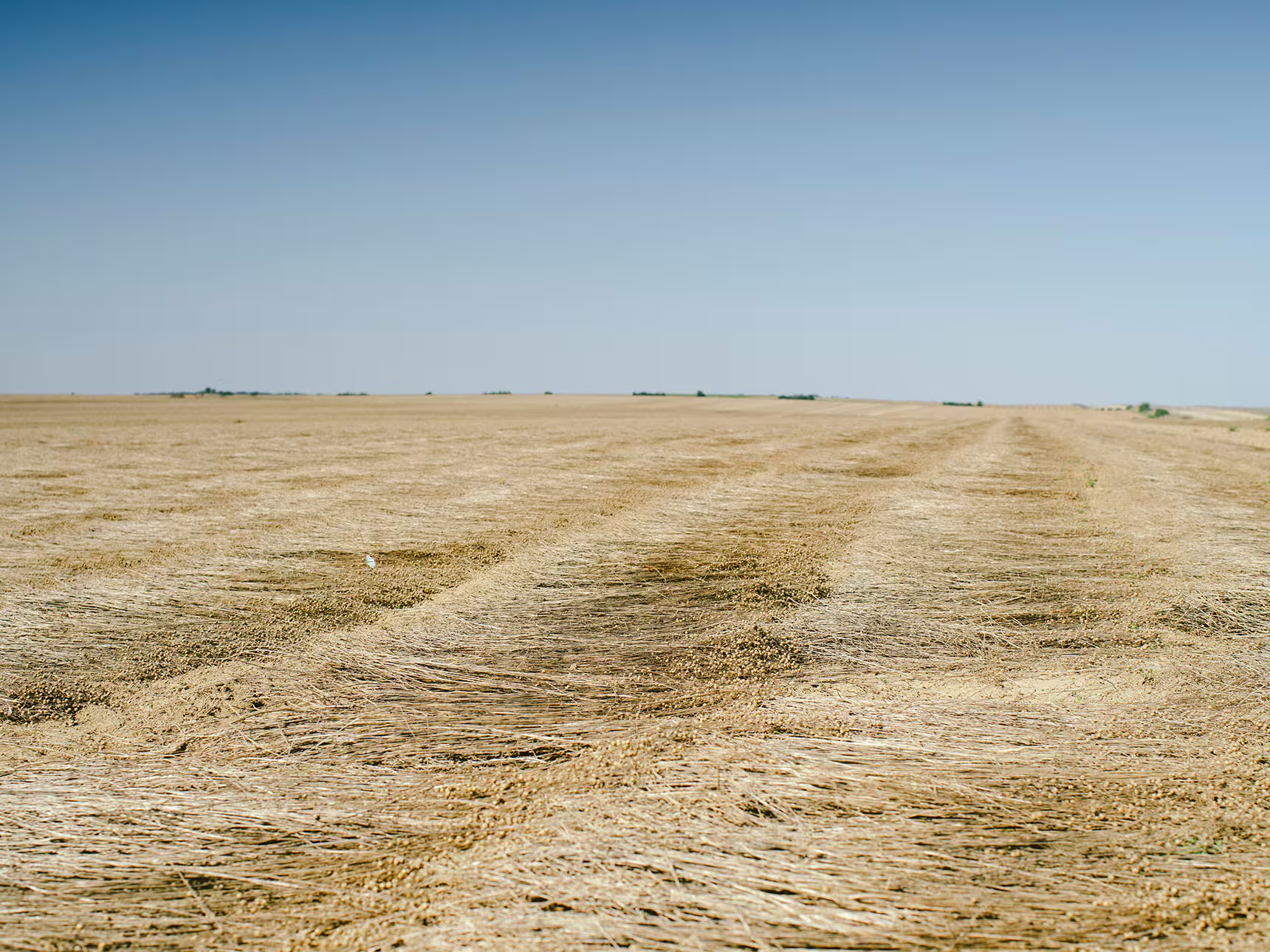
Retting with the help of nature
Flax plants are left in the field so natural elements help separate the fibres.
The colour and quality of the fibres depend on this stage.


Judging quality through experience
After retting, the fibres are separated through a process called scutching. Specialists evaluate the fibres based on colour, strength, fineness and uniformity.
Developing the experience needed to judge fibre quality can take many years. Each harvest reflects the soil, climate and growing conditions of its region.
When checking the fibres, one specialist described the process by saying he could almost hear the fibres “sing”, referring to the subtle sound they make when gently pulled to test their strength.

Respecting the individuality of the material
From cultivation to fibre extraction, linen production depends on both natural conditions and human expertise. Each step contributes to the character of the finished fabric.
Comfort That Grows with Use

Spinning fibres into yarn
Once prepared, flax fibres are spun into yarn. Because flax becomes stronger when wet, water is often used during spinning to improve durability and consistency.
The yarn is then woven into linen fabric, often in environments where humidity is carefully controlled.
While much of the flax is grown in France, spinning and weaving are often carried out in specialised textile factories overseas where humidity and temperature are carefully controlled.
Becoming softer with use
Linen is durable and becomes softer with repeated washing and wear. Over time the fabric gradually adapts to the wearer, developing a texture that feels more natural against the skin.
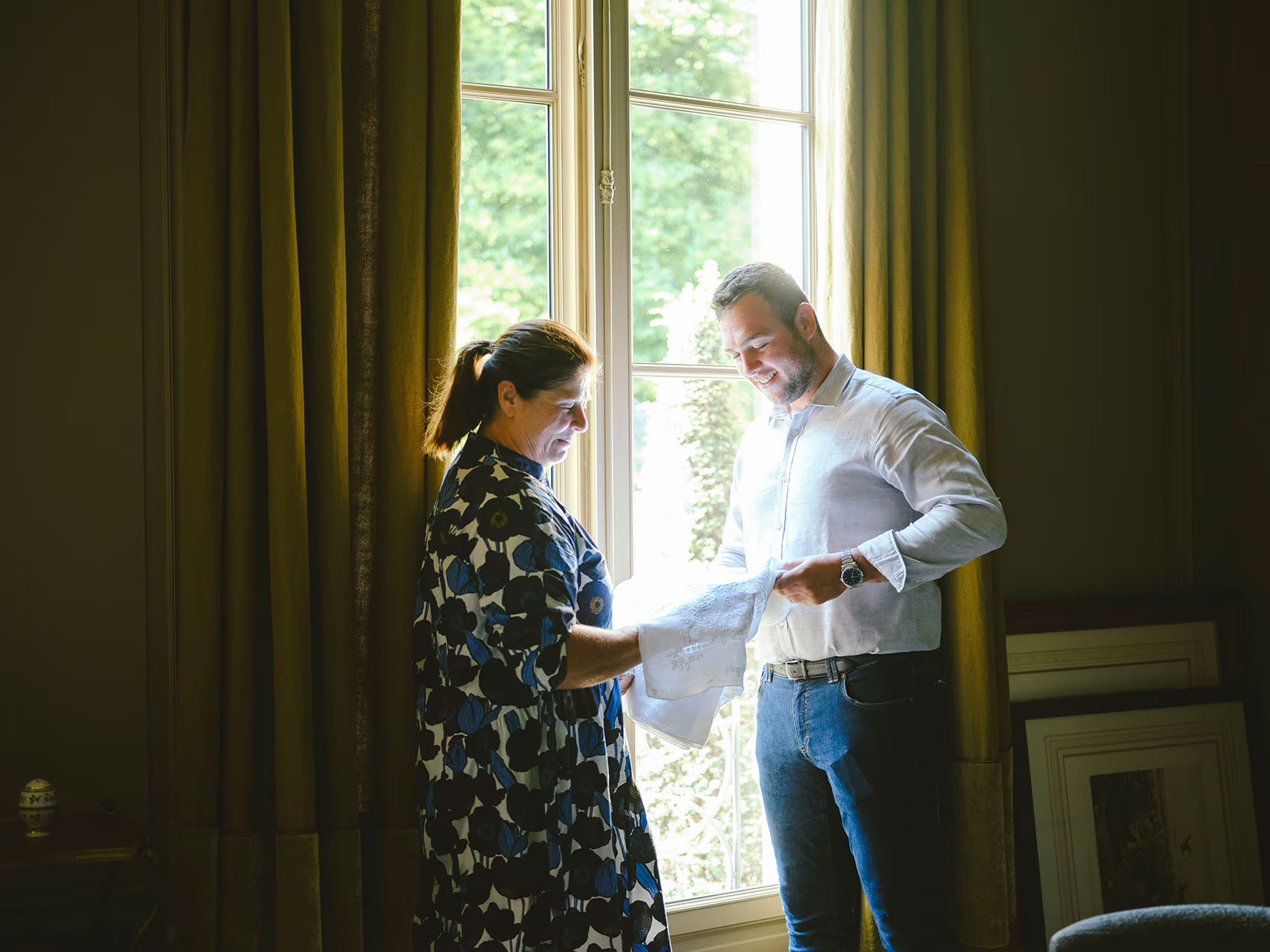

In France we also encountered linen sheets and tablecloths that had been passed down through generations. Beyond its lower environmental impact during cultivation, linen’s durability allows it to be used for many years — making it a material that connects the past with the future.